Health at Every Size® Healthcare Provider Listing
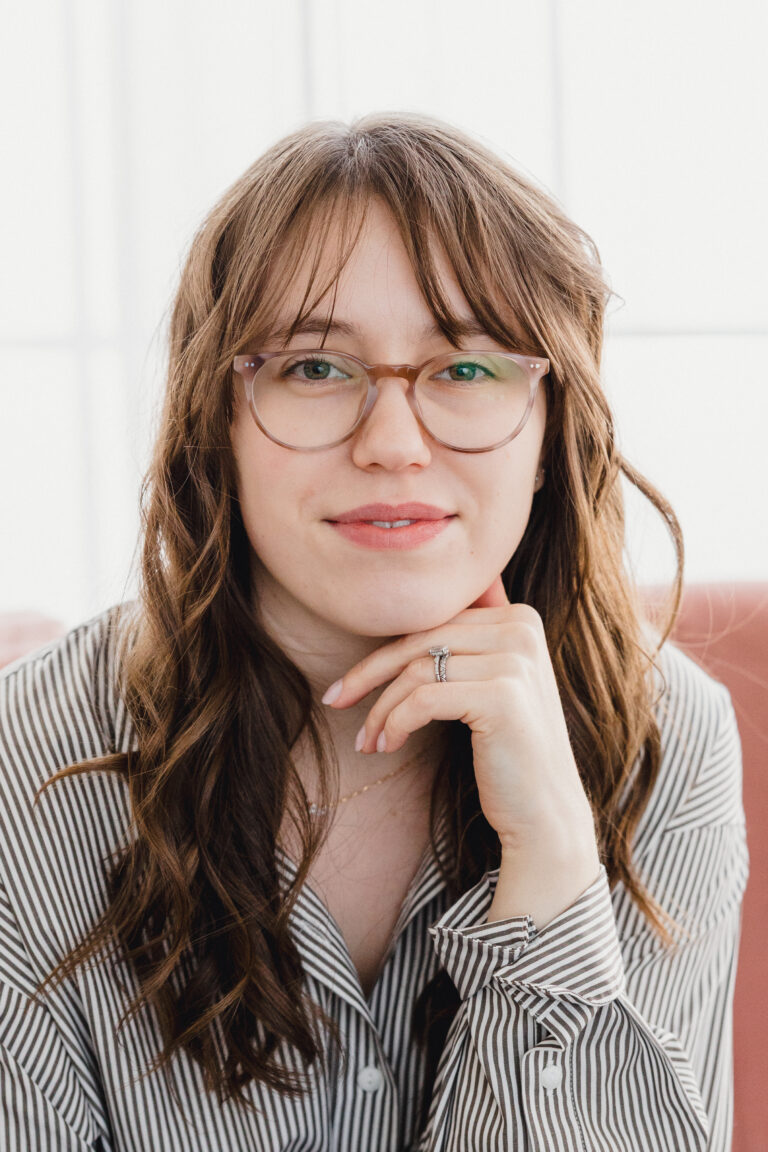
Additional information about where I can practice: Due to state licensure requirements, I am currently accepting clients in Arizona, California, Colorado, Connecticut, Illinois, Massachusetts, Minnesota, New York, Ohio, Rhode Island, Texas, Vermont, Virginia, and Washington. If you live outside of these states but are interested in working together, please reach out. I’d be happy to explore obtaining licensure in your state.
Specialties & Areas of Focus:
- Intuitive Eating
- Body Trust
- Perinatal Nutrition (fertility, pregnancy, postpartum)
- Eating Disorders & Disordered Eating
- OCD & Food-Related Fear
- ADHD & Neurodivergent-Affirming Care
- Celiac Disease
- Gastrointestinal Nutrition
- Chronic Health Conditions
- Polyendocrine Metabolic Ovarian Syndrome (PMOS) / Polycystic Ovarian Syndrome (PCOS)
- Trauma-Informed Care
Modalities & Theoretical Lenses:
- Body Trust
- Trauma-Informed Care
- Neurodivergent-Affirming Care
- Harm Reduction
- Gender-Affirming Care
- Health At Every Size
- Intuitive Eating
Age Groups Served:
- Children (birth through 12 years)
- Teens (13-18 years old)
- Adults (18 years old and up)
- Older Adults (65+ years old)
- Children (birth through 12 years)
- Teens (13-18 years old)
- Adults (18 years old and up)
- Older Adults (65+ years old)
Additional Populations Served & Allied Groups:
- LGBTQIA+
- BIPOC
- Perfectionists & People Pleasers
- Neurodiverse Folks
- Chronically Ill Folks
Languages Services Offered In:
- English
- English
My Philosophy of Care
I believe nutrition care should never require someone to shrink their body. My approach is weight-neutral, trauma-informed, and rooted in Body Trust®, Intuitive Eating, and Health at Every Size® (HAES®). I don't weigh clients or use weight change as a measure of progress, and I don't frame health as something a person owes anyone else through a smaller body. Health is complex, and it isn't defined by a number.
Being a HAES® provider means trusting that people can build a peaceful relationship with food and their bodies without dieting, restriction, or moralizing what they eat. In practice, this looks like helping clients rebuild interoceptive awareness, unpack internalized food rules, and find ways of eating that actually fit their life and their brain — not a set of rules handed down from somewhere else. This is especially important for clients navigating ADHD, OCD and food-related fears, PCOS, or GI concerns, where food struggles are rarely just about food and often need more nuance than a standard nutrition plan allows.
This holds true throughout pregnancy, too. Weight gain and calorie counting aren't something I focus on with perinatal clients. Wherever someone is starting from, my role is to meet them there, not push them toward a version of health that was never theirs to begin with.
About Me & My Practice
I became a dietitian because of my own lived experience navigating an eating disorder and being diagnosed with celiac disease. That experience showed me firsthand how much harm diet culture and weight-centric care can do, and it's what led me to Health at Every Size®. Personally and professionally, HAES® has felt like the gentle, welcoming, inclusive path I was meant to be on, both as someone who's been a patient and as a provider.
I've practiced from a HAES® lens for my entire career as a dietitian, over five years now. I'm a Certified Body Trust® Provider and a member of EDRD Pro, where I take continuing education centered on weight-inclusive, HAES®-aligned care and participate in ongoing supervision. I'm always seeking out weight-neutral, HAES®-aligned training to keep growing in this work.
Outside of clinical sessions, I advocate through my content (my Instagram is built around weight-inclusive education) and through the referral network I've built, where I intentionally vet every provider I recommend to make sure they're weight-inclusive and HAES®-aligned.
Outside of work, you'll usually find me reading, at a barre class, art journaling, or spending time with my husband and our very full house of pets.
Accessibility Considerations
My practice is fully virtual, which removes many of the physical accessibility barriers common in in-person care. I don't weigh clients or track anthropometric data like BMI, so there's no risk of that information being flagged or used against a client's wishes.
Sessions are held through Simple Practice's telehealth platform, with Google Meet or phone as flexible alternatives depending on what works best for the client. Camera use is always optional, and scheduling is flexible to accommodate different needs. If a client finds it calming or supportive to do something with their hands during a session, like coloring or drawing, I'm happy to build that into our time together.
Between sessions, clients can reach me through secure, HIPAA-compliant messaging, chat or voice notes, whichever is easier for them. This isn't for emergency use, but it allows clients to process and communicate at their own pace rather than being limited to real-time conversation.
My intake forms include space for pronouns and preferred name, with a range of gender options beyond a binary selection.