Health at Every Size® Healthcare Provider Listing
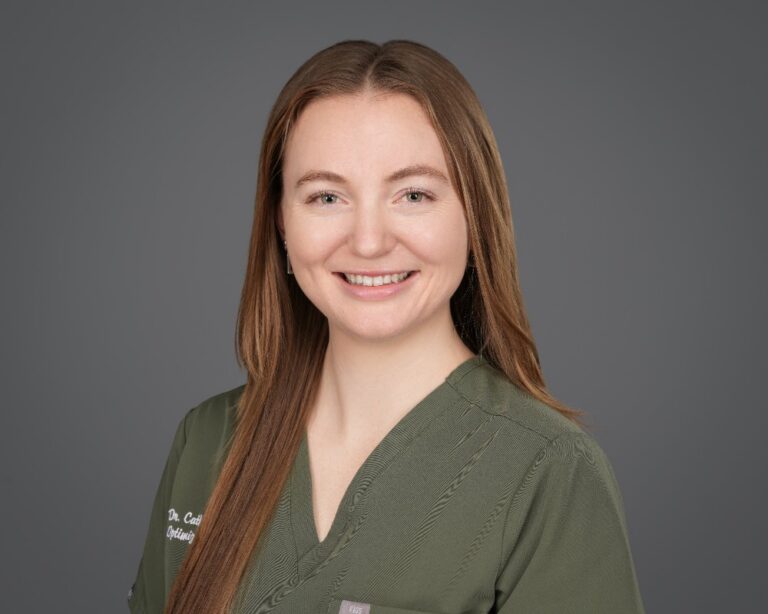
Catherine Welsh-Osuna, PT, DPT
(she/her)
Pelvic Floor Physical Therapist
Optimize Pelvic Health
San Jose,
California,
United States
Contact Me:
Make an Appointment:
Specialties & Areas of Focus:
- Eating Disorders
- Pelvic Floor Dysfunction
- Musculoskeletal Pain
- Orthopedic Injuries
Modalities & Theoretical Lenses:
- Trauma-Informed Care
- Gender Inclusive Care
- Soft Tissue Mobilization
- Therapeutic Movement
- Pelvic Floor Muscle Downtraining
- Gender-Affirming Care
Age Groups Served:
- Teens (13-18 years old)
- Adults (18 years old and up)
- Older Adults (65+ years old)
- Teens (13-18 years old)
- Adults (18 years old and up)
- Older Adults (65+ years old)
Additional Populations Served & Allied Groups:
- Transgender
- LGBTQIA+
- BIPOC folks
Languages Services Offered In:
- English
- English
My Philosophy of Care
My philosophy of care is trauma-informed, HAES-aligned, gender- and weight-inclusive pelvic floor physical therapy that centers patient autonomy, collaboration, and respect for lived experience. I view health as multifactorial and non-linear, and I do not equate body size with health. Instead, I focus on function, comfort, access to movement, and each patient’s personal goals for their body and quality of life.
Being a Health at Every Size® provider means actively challenging weight stigma in healthcare and creating a space where patients are not pathologized based on body size. I apply HAES principles through weight-neutral language, avoiding rigid or prescriptive exercise models, and emphasizing sustainable, individualized movement that supports healing rather than appearance-based or compliance-driven goals. I also provide education on body size, health, and systemic bias to support informed, autonomous decision-making.
I specialize in working with individuals with a current or past eating disorder(s) and those experiencing body dysmorphia or anxiety around movement. My lived experience with an eating disorder, combined with specialized training, informs my understanding of these challenges. This is reflected in my practice through inclusive equipment and furniture, covered mirrors in gym spaces, avoidance of rigid exercise prescriptions, and collaboration with patients’ broader treatment teams to support integrated, affirming care.
About Me & My Practice
I was drawn to physical therapy through 15 years of ballet and contemporary dance, where I developed a deep interest in movement and the human body. While dance brought me joy, it also exposed me to harmful messaging around body shape and weight. My own recovery from an eating disorder introduced me to Health at Every Size (HAES) principles, which became foundational to my physical therapy education and clinical work.
Viewing healthcare through a HAES-informed lens helped me recognize the impact of weight bias and fatphobia in medical settings and strengthened my commitment to providing weight-inclusive care. During a nine-week clinical rotation with a physical therapist specializing in eating disorder treatment, I learned how to integrate HAES principles into every aspect of care to create a supportive, healing environment free from weight stigma.
Today, I incorporate this training, ongoing HAES education, and Herman & Wallace coursework into my practice. I work with individuals with a past or current history of eating disorders experiencing musculoskeletal pain or pelvic floor dysfunction, including hip, low back, pelvic, and abdominal pain, constipation, urinary symptoms, and prolapse.
Outside of work, I enjoy pottery, baking sourdough, traveling with my husband, spending time at the beach with my two mini dachshunds, and reconnecting with dance in a joyful way.
Accessibility Considerations
Our lobby has a large couch for patients waiting for appointments, with a maximum weight capacity of 500 lbs. The treatment table in my room has a 350 lb weight capacity. I am currently working to acquire a larger treatment table to better accommodate a wider range of body sizes. The building entrance is step-free and includes a wheelchair-accessible ramp. Inside, there is a wheelchair-accessible bathroom and a treatment room with a 30-inch doorway width.
I support gender-affirming care, including for patients recovering from gender-affirming surgery, and I ask all patients for their preferred name and pronouns at the initial appointment. For patients submitting superbills for possible insurance reimbursement, documentation must match the name and pronouns listed on their insurance card. If these differ from a patient’s preferred name or pronouns, their preferences will always be respected in session, while insurance information is used only for required documentation. The shared clinic bathroom is all-gender, though it currently has a binary sign on the door.
Patients interact with a receptionist during check-in and check-out who has been trained to provide welcoming, inclusive care for people of all body shapes and sizes. Weight is never taken in-office or requested on intake forms. We do not currently offer ASL or other language interpretation services.